
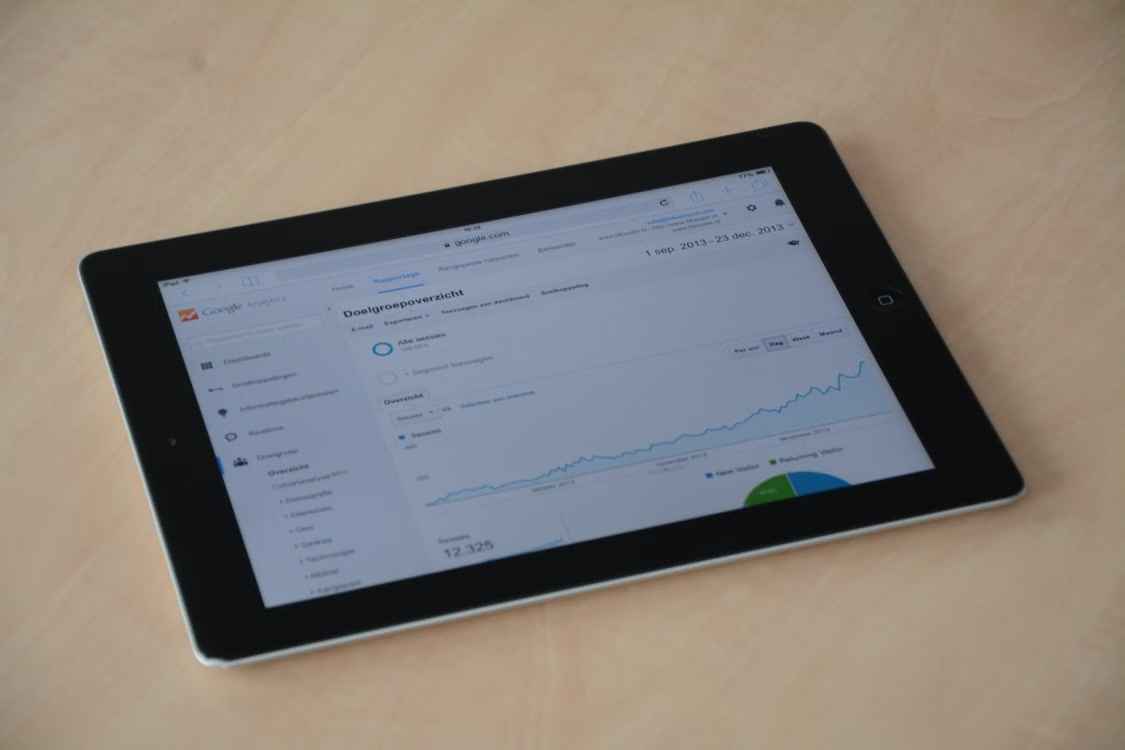
Paid search can help businesses reach potential customers when they are actively searching for products or services. However, simply launching Google Ads campaigns does not guarantee strong results. Effective Google PPC management services require ongoing planning, targeting, testing, and optimization to make advertising spend more productive.
Whether a business manages campaigns internally or works with a Google Ads agency, following proven PPC management practices can help improve campaign efficiency and support a stronger return on investment.
What Is Google PPC Management?
Google PPC management involves planning, monitoring, and optimizing paid search campaigns across Google Ads. This can include keyword research, campaign structure, ad creation, audience targeting, bidding, budget management, conversion tracking, and performance analysis.
Professional Google Ads management focuses on more than generating clicks. The goal is to attract relevant traffic and encourage users to take valuable actions, such as submitting a form, requesting a quote, making a purchase, or contacting a business.
1. Start With Clear Campaign Goals
Before creating a campaign, define what you want your advertising to accomplish. Common goals include:
- Generating qualified leads
- Increasing online sales
- Driving calls or inquiries
- Promoting specific services
- Increasing brand visibility
Clear goals make it easier to select appropriate campaign settings and measure meaningful results. Your advertising strategy should also align with the landing pages users reach after clicking an ad.
For businesses that need a stronger website foundation, professional website design services can help create landing experiences that support paid advertising objectives.
2. Build a Relevant Keyword Strategy
Keyword selection plays an important role in Google Ads performance. Instead of targeting every possible search related to a business, focus on terms that closely match the products or services being promoted.
Consider factors such as:
- Search intent
- Keyword relevance
- Competition
- Expected cost per click
- Conversion potential
Negative keywords are also important. They can help prevent ads from appearing for searches that are unlikely to generate relevant business.
A well-organized keyword strategy allows campaigns to reach users whose searches more closely align with the advertised offer.
3. Create Focused Ad Groups and Campaigns
Campaign structure affects how effectively you can manage and optimize advertising. Group closely related keywords and create ad messaging that directly addresses the searcher’s intent.
For example, a company offering several digital marketing services may create separate campaigns for PPC, SEO, and other services rather than combining unrelated keywords into one campaign.
This structure makes performance data easier to interpret and allows advertisers to adjust budgets and messaging based on individual campaign results.
4. Write Ads That Match Search Intent
Effective PPC ads should quickly communicate why the offer is relevant to the person searching. Strong ad copy can include:
- The service or product being searched for
- A clear benefit
- A relevant call to action
- Supporting details that distinguish the offer
The message should also be consistent with the landing page. If an ad promotes Google PPC management but sends visitors to a generic page, the experience may not fully match their expectations.
5. Optimize Landing Pages
Getting a click is only one part of PPC performance. The landing page needs to make it easy for visitors to understand the offer and take the desired action.
Review elements such as:
- Headline relevance
- Page loading speed
- Mobile usability
- Service information
- Calls to action
- Contact forms
- Trust signals
Businesses can also support paid campaigns through complementary search engine optimization services, helping build visibility through organic search alongside paid traffic.
6. Track Conversions, Not Just Clicks
Clicks and impressions provide useful information, but they do not necessarily indicate business success. Conversion tracking helps determine whether advertising traffic is producing meaningful actions.
Depending on the business, conversions may include purchases, form submissions, phone calls, appointments, or quote requests.
Reviewing conversion data can help identify which campaigns, keywords, and ads are contributing to business objectives.
7. Monitor Bids and Budgets Regularly
PPC performance can change as competition, search behavior, and campaign data evolve. Regular monitoring helps identify areas where budgets may need adjustment.
Rather than making decisions based only on clicks, evaluate metrics such as:
- Conversion rate
- Cost per conversion
- Click-through rate
- Return on ad spend
- Conversion value
These metrics provide a broader view of campaign efficiency and can help guide ongoing optimization.
8. Test and Improve Campaign Performance
PPC management should be an ongoing process. Test different ad messaging, landing pages, keyword groups, audiences, and calls to action when appropriate.
Performance data can reveal which approaches generate stronger engagement or conversions. Over time, these insights can be used to refine campaigns and reduce wasted advertising spend.
Businesses that want to combine paid advertising with strong visual branding can also explore graphic design services to maintain consistent marketing materials across channels.
Why Work With a Google Ads Agency?
Managing Google Ads requires regular attention to campaign settings, keyword performance, ad messaging, budgets, conversion tracking, and optimization. A Google Ads agency can provide specialized knowledge and ongoing campaign management while allowing business owners to focus on their core operations.
The right approach depends on the business’s goals, audience, budget, and existing marketing strategy. PPC can also work alongside SEO, website design, and other digital marketing activities to create a more connected online presence.
Final Thoughts
Effective Google PPC management services are built around strategy, relevance, measurement, and continuous improvement. From selecting the right keywords to optimizing landing pages and tracking conversions, every part of a campaign can influence advertising efficiency.
Businesses looking to strengthen their paid search strategy can explore PPC marketing services or contact Marketable Media to discuss their digital advertising needs.
Frequently Asked Questions
Google PPC management services involve planning, monitoring, and optimizing Google Ads campaigns to improve traffic quality, conversions, and advertising efficiency.
Effective management can improve ROI by targeting relevant searches, reducing wasted spend, improving ad and landing-page relevance, and optimizing campaigns based on conversion data.
Businesses may work with a Google Ads agency when they need specialized PPC knowledge, ongoing campaign optimization, conversion tracking, or additional support managing advertising campaigns.
PPC campaigns should be reviewed regularly. The appropriate frequency depends on factors such as campaign size, budget, conversion volume, and how quickly performance data changes.